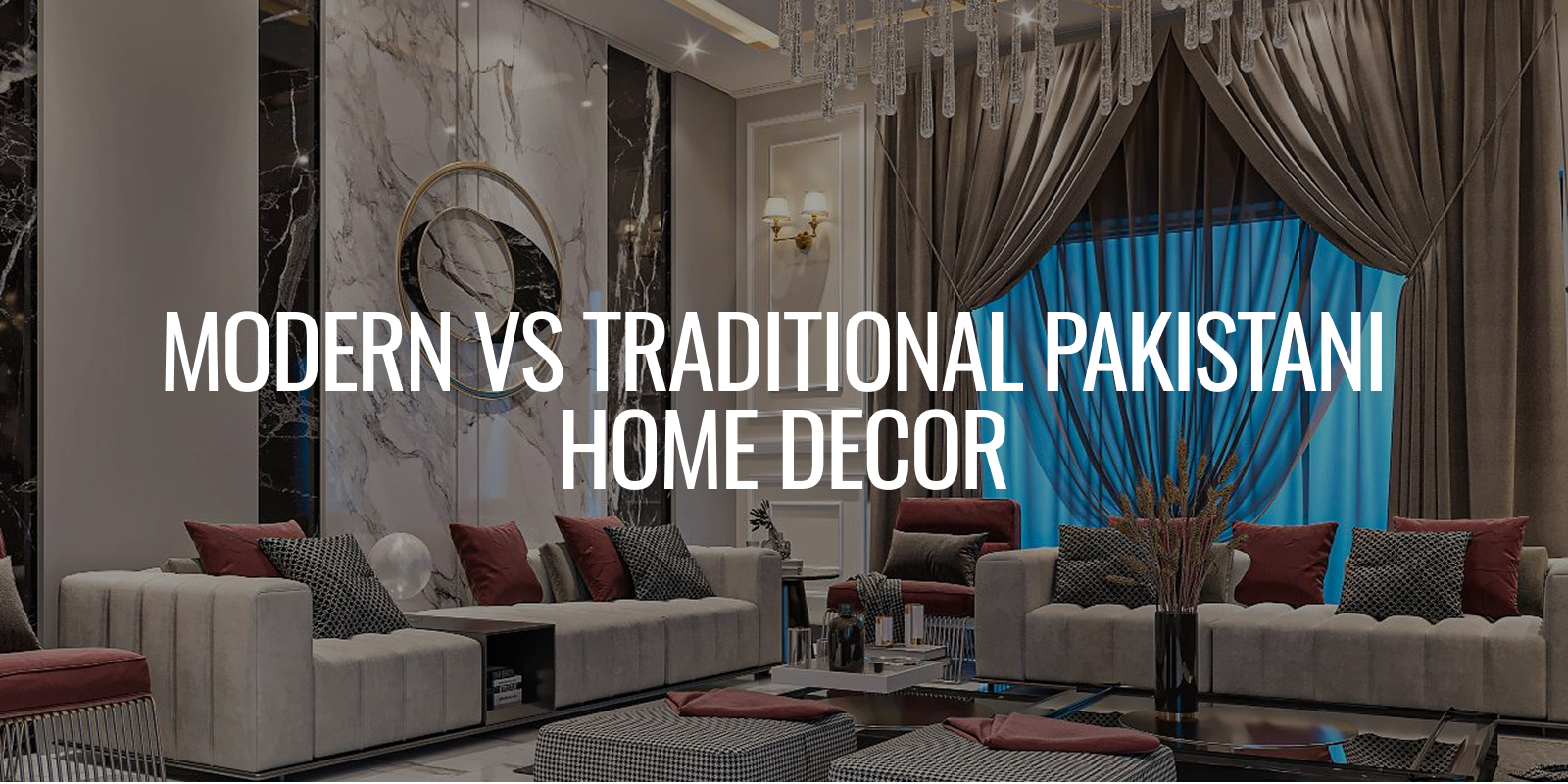
Every Pakistani home tells a story through its decor. Some spaces feel sleek and minimal with clean lines and neutral colors, while others are rich with carved wood, patterns, and heritage pieces. If you’re confused between modern and traditional Pakistani home decor, you’re not alone. Understanding the strengths of each style helps you design a home that looks beautiful and feels like you.
Table of Contents
Modern and Traditional Styles Explained
What Is Modern Pakistani Home Decor?
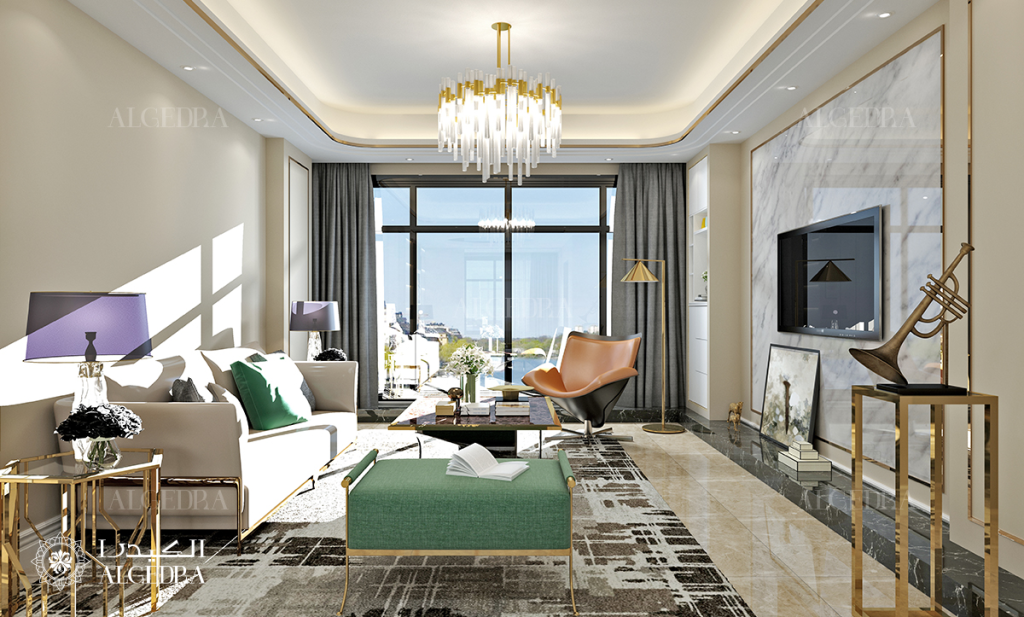
Modern decor focuses on simplicity, function, and clean visual lines. Think straight-edged sofas, uncluttered walls, neutral colors, and smart storage. Instead of heavy details, the emphasis is on space, light, and comfort. This style works especially well in apartments and smaller city homes where every inch matters and natural light is limited.
What Is Traditional Pakistani Home Decor?
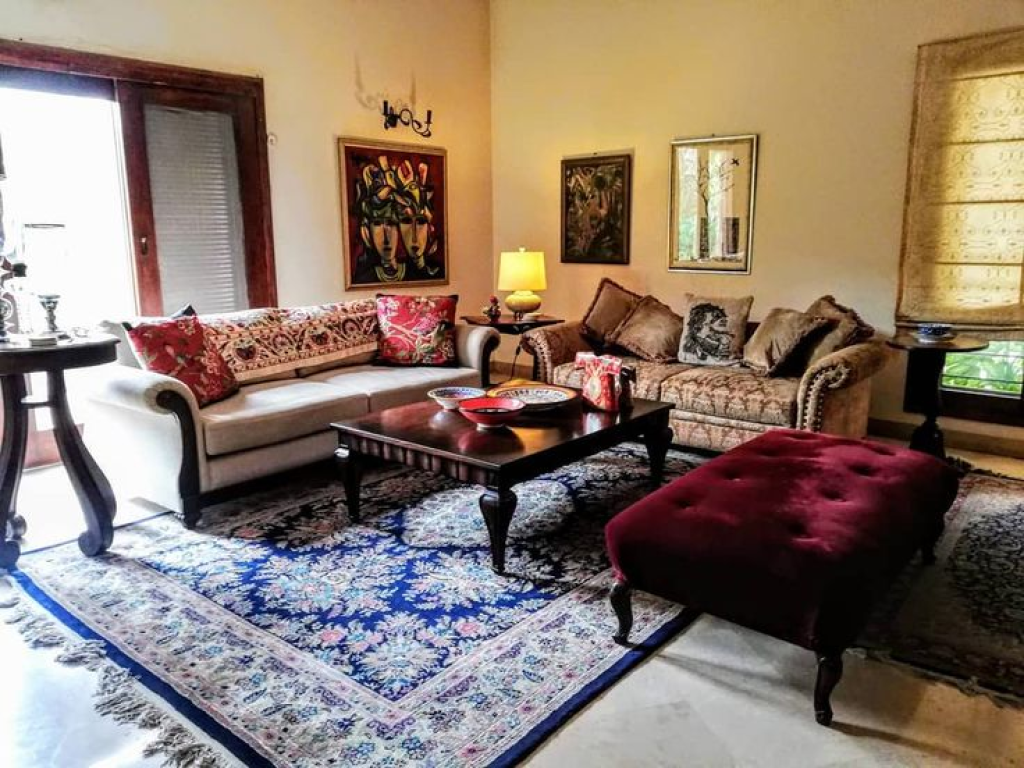
Traditional decor takes inspiration from classic Pakistani homes and heritage architecture. You’ll see rich wood furniture, hand-carved details, patterned rugs, brass accents, and textiles inspired by regions like Punjab, Sindh, and Khyber Pakhtunkhwa. This style feels warm, welcoming, and rooted in culture, perfect for families that love hosting guests and preserving traditions.
Key Differences at a Glance
- Modern: Clean lines, less decoration, neutral colors, hidden storage, minimal patterns.
- Traditional: Ornate details, rich colors, carved wood, visible accessories, patterned textiles.
- Modern: Great for smaller spaces and low-maintenance lifestyles.
- Traditional: Great for larger rooms and homes with strong family and cultural identity.
How Modern Decor Fits Pakistani Homes
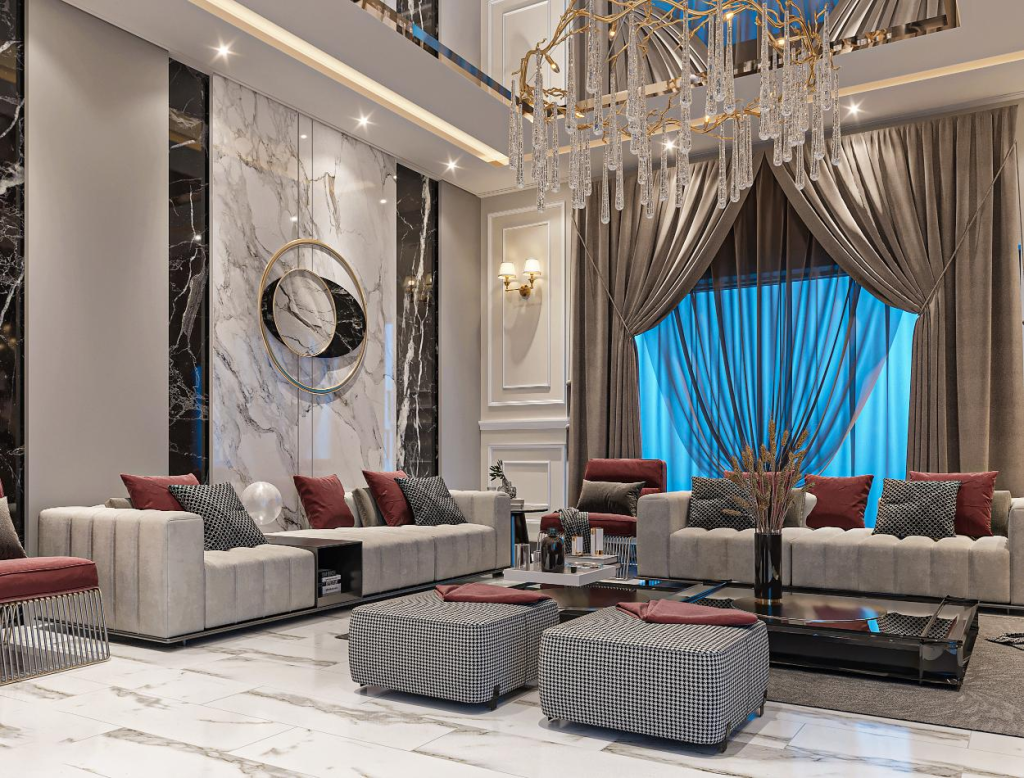
Modern decor solves many common layout and clutter problems in city apartments. Slim-profile sofas and armchairs free up floor space, while built-in TV units and wall-mounted shelves keep things organized. Neutral walls make even a 10×12 room feel bigger, and simple window treatments are easier to maintain with dust and pollution in urban areas. If you prefer a clean, airy look and don’t enjoy constant dusting, modern style will feel natural.
How Traditional Decor Fits Pakistani Homes
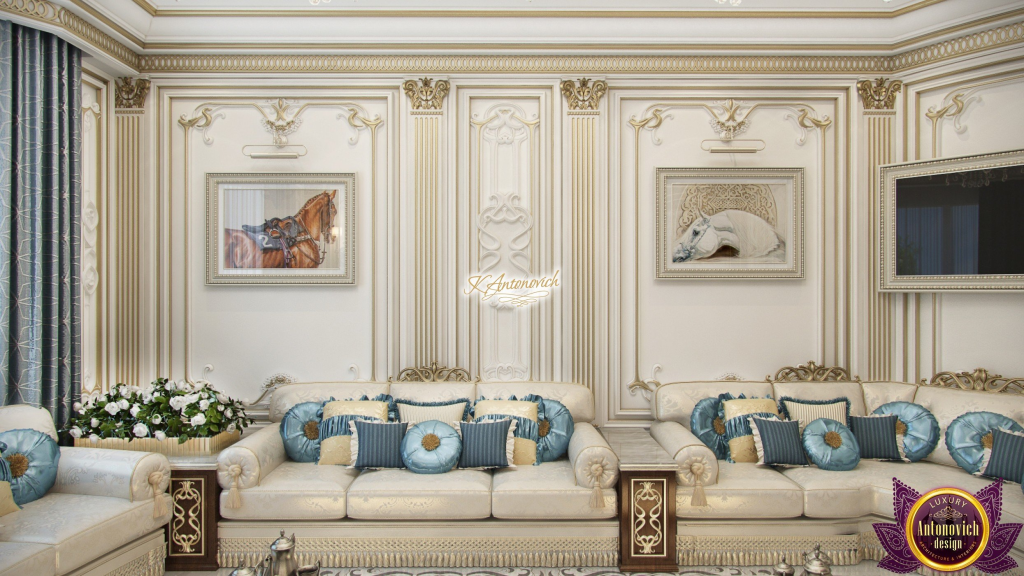
Traditional decor shines in drawing rooms, formal lounges, and larger living spaces where families gather for Eid, weddings, and daawats. Heavy wooden jharokha mirrors, embroidered cushions, Persian-style rugs, and brass lamps add depth and character. This style works best if you love collecting pieces over time, displaying souvenirs from different cities, and layering textures and patterns. It also suits homes where furniture is built to last for many years, not replaced frequently.
Color Palettes: Modern vs Traditional
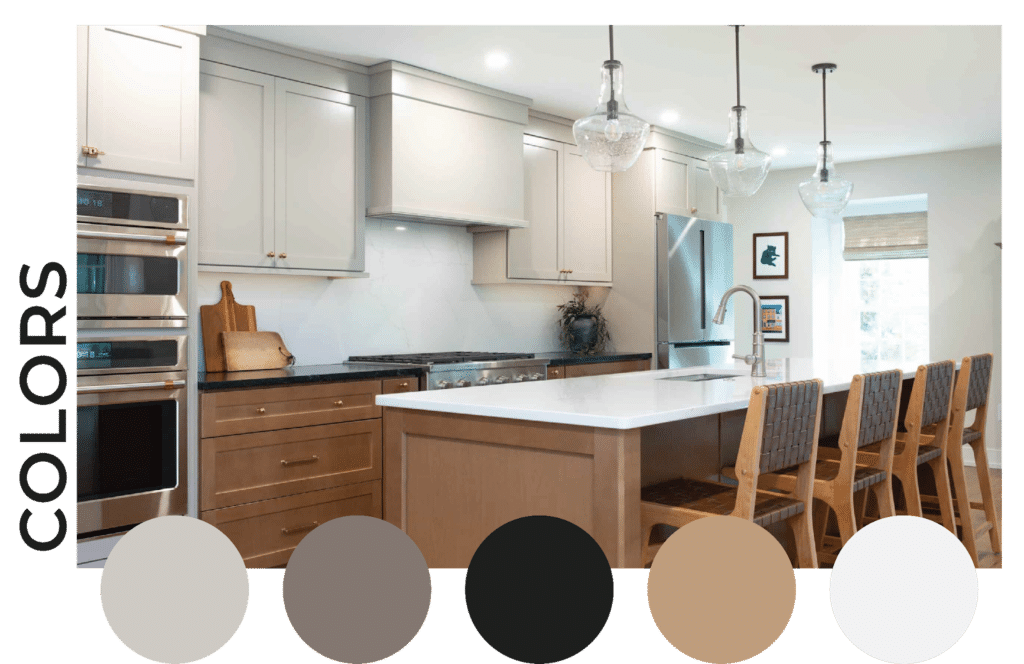
Modern decor usually sticks to whites, greys, beiges, and muted tones like sage, taupe, or charcoal. The overall effect is calm and balanced, with one or two accent colors through cushions, artwork, or rugs. Traditional decor embraces deeper shades like maroon, mustard, royal blue, emerald green, and burnt orange. These colors often appear in kilims, ajrak, truck art accents, or handwoven throws, giving rooms a rich and lived-in feel.
Furniture Choices in Both Styles
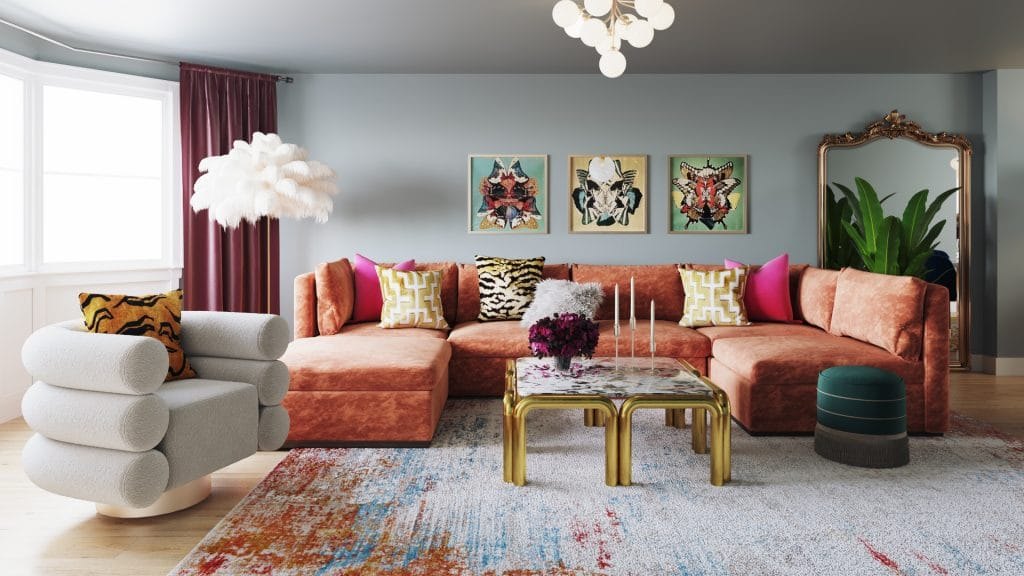
In modern interiors, furniture is simpler and lighter. Sofas have straight arms, plain upholstery, and metal or slim wooden legs. Coffee tables are often glass, marble-look, or light wood with minimal detailing. In traditional settings, you’ll see curved armrests, turned legs, and carved patterns on sofa frames, side tables, and consoles. Upholstery may feature jacquard, velvet, or brocade, adding texture and shine.
If you’re working with a small living room, modern furniture will usually be more forgiving. For spacious drawing rooms, traditional sets with statement woodwork can look stunning when arranged properly.
Textiles, Patterns, and Accessories
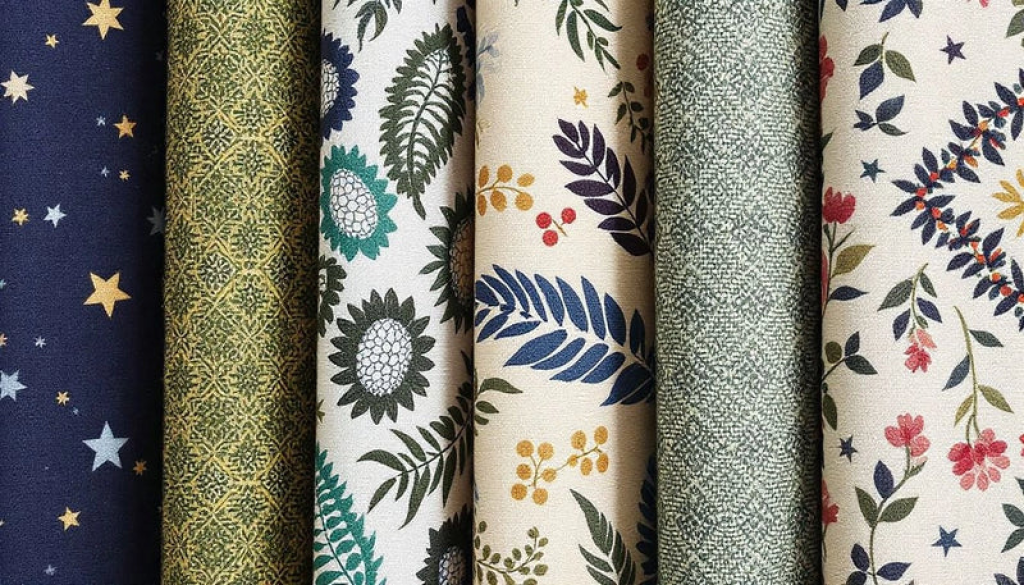
Modern decor uses fewer patterns and more solid fabrics, adding interest through texture instead of busy prints. Think plain curtains with a slight weave, simple cushions, and a single statement rug. Traditional decor mixes patterns confidently: paisleys, florals, geometric motifs, and regional prints. Cushions, runners, and wall hangings become key storytelling elements. If you love things like ajrak, phulkari, rilli, or Balochi embroidery, traditional styling will give them a natural home.
Lighting: Clean vs Ornate
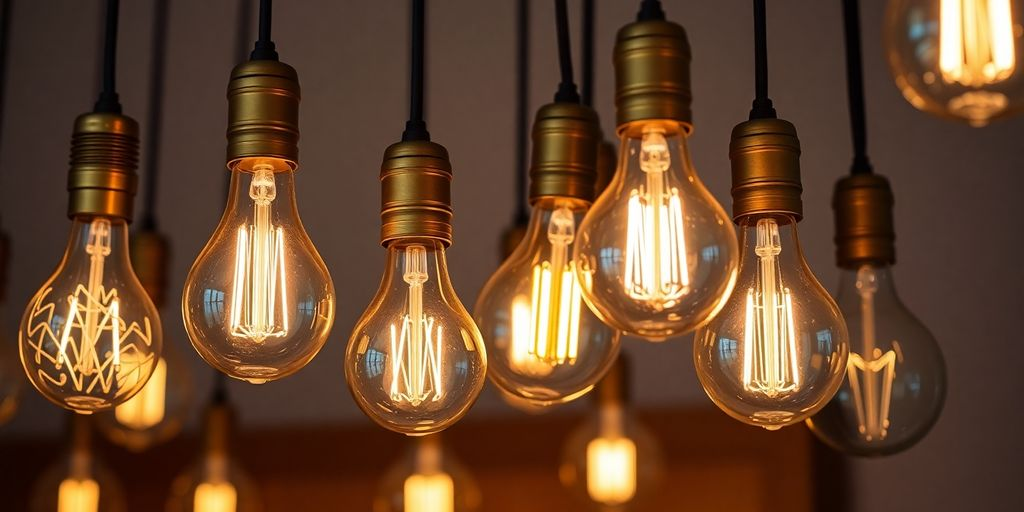
In modern homes, lighting is typically layered with recessed ceiling lights, slim floor lamps, and simple pendant lights over dining or seating areas. The goal is soft, even illumination. Traditional homes often feature chandelier-style fixtures, brass or antique-inspired lamps, and lantern-style wall lights that add character as well as light. A modern apartment might have a sleek black or gold pendant, while a traditional house might showcase a crystal chandelier in the drawing room.
Which Style Is Better for Small Spaces?
For small flats and compact houses, modern decor generally works better because it:
- Uses lighter furniture that doesn’t overwhelm the room
- Keeps surfaces less cluttered, which visually expands the space
- Prioritizes storage and multifunctional pieces
You can still add traditional touches like a patterned rug or carved side table without weighing down the entire room.
Mixing Modern and Traditional (Transitional Style)
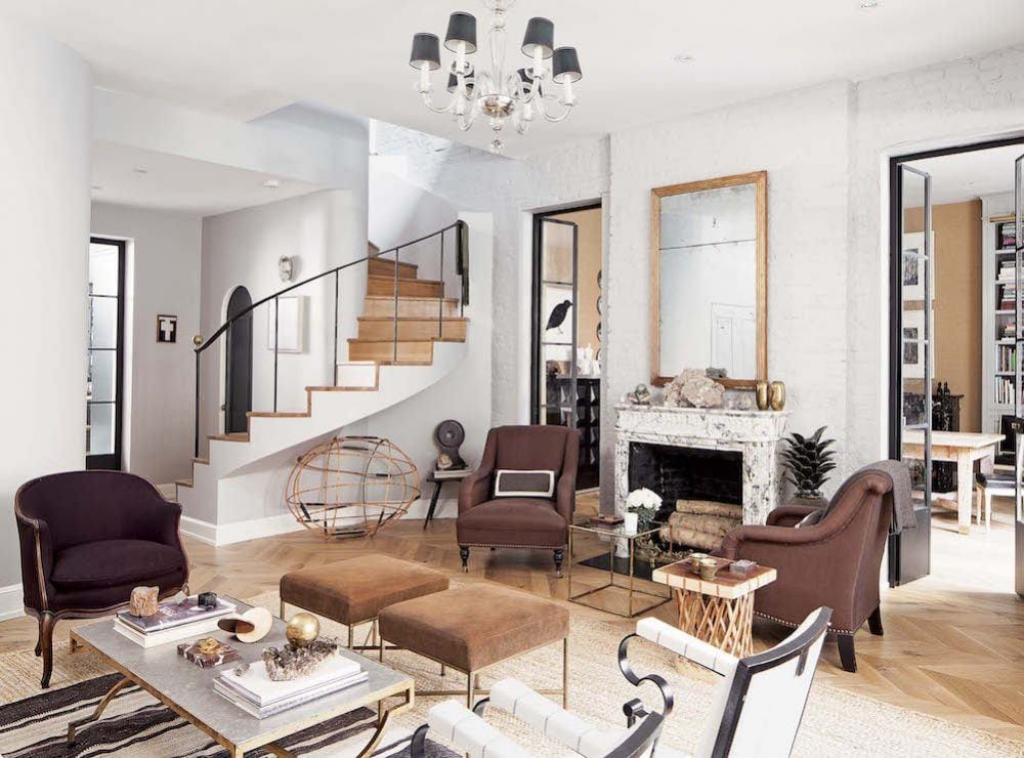
The most realistic approach for many Pakistani homes is a blend of both styles. This is sometimes called transitional decor. You might have:
- A modern, neutral sofa paired with a traditional wooden coffee table
- Plain curtains but traditional embroidered cushions
- Clean, white walls with one feature wall displaying a jharokha mirror or calligraphy
This mix keeps the home practical and fresh, while still reflecting cultural roots. It also makes it easier to use existing traditional furniture with new, modern pieces without the room feeling mismatched.
How to Choose the Right Style for Your Home
Ask yourself a few questions:
- Do you prefer calm, clutter-free spaces or rich, layered environments?
- How much time can you realistically spend on cleaning and dusting?
- Is your home small and compact or more spacious?
- Do you want your decor to feel trendy, timeless, or rooted in tradition?
If you value easy maintenance and a sense of openness, lean modern with a few traditional accents. If you love heritage pieces, carved wood, and storytelling through decor, lean traditional and simplify where needed for comfort.
Practical Tips for Getting Started
- In new apartments, start with a modern base (neutral walls, simple furniture) and add traditional decor gradually.
- In older houses with existing heavy furniture, lighten the look with neutral rugs, simpler curtains, and fewer accessories.
- Use one or two “hero” pieces per room—a statement mirror, a carved console, or a bold rug—rather than filling every corner.
- Keep functionality in mind: comfortable seating, good lighting, and practical storage should come before pure decoration.
Frequently Asked Questions
Can I have a modern living room and a traditional drawing room in the same home?
Yes, and this is very common. Many families keep their daily-use living room simpler and more modern, while keeping the drawing room more formal and traditional for guests.
Is modern decor more expensive than traditional decor?
Not necessarily. Both styles can be done on a budget or at a premium. Modern pieces from local brands and online platforms can be affordable, while traditional furniture can be cost-effective if you shop local carpenters or refurbished items.
How do I transition from fully traditional to more modern decor without replacing everything?
Start by simplifying. Remove excess accessories, update curtains to lighter fabrics, change cushion covers to solid colors, and consider refinishing or repainting some heavy pieces in lighter wood tones or neutral shades.